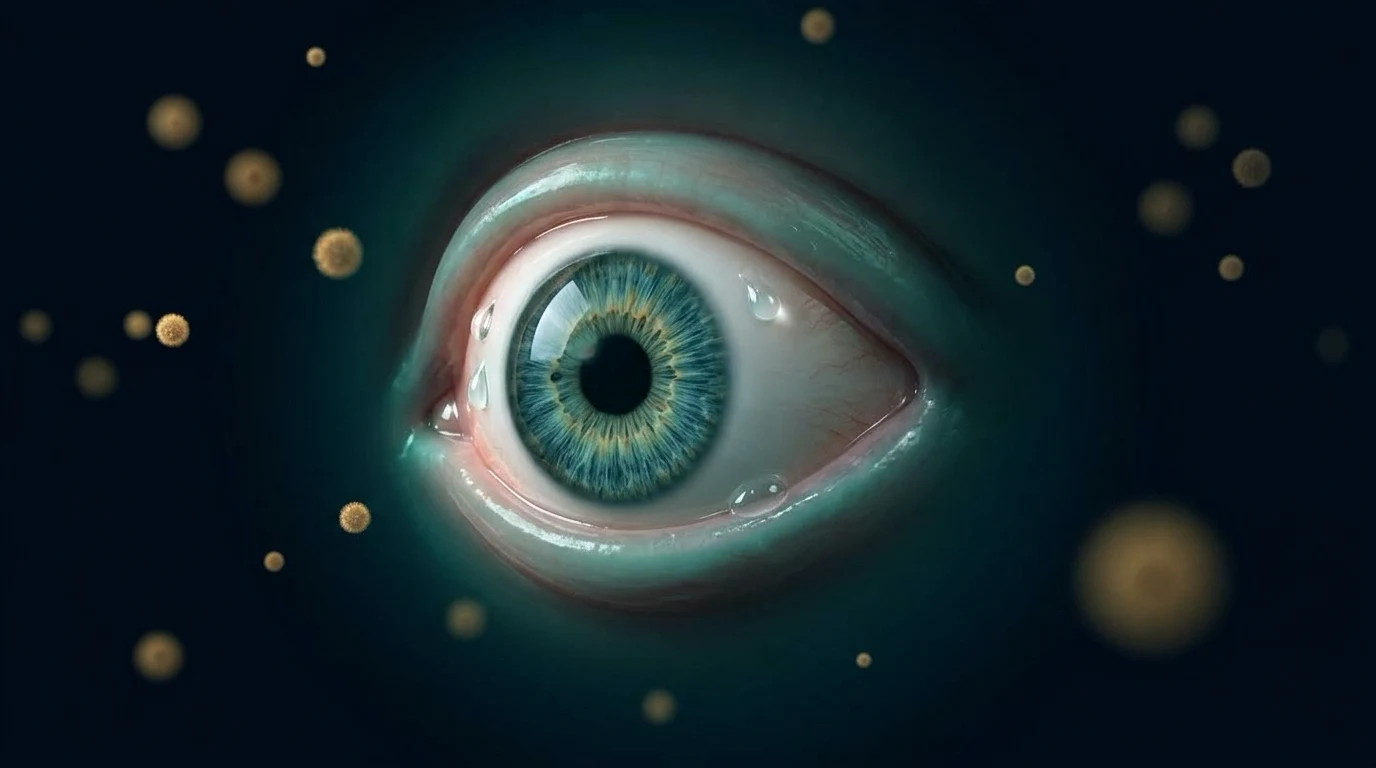
الحكة هي أكثر علامة تجعل حساسية العين احتمالًا، خصوصًا لو كانت في العينين مع دموع شفافة أو انتفاخ خفيف في الجفون وعطس أو رشح. لكنها ليست تشخيصًا من نفسها: الألم الواضح، حساسية قوية للضوء، ضعف جديد في النظر، إفرازات كثيفة أو احمرار شديد تحتاج فحصًا بدل تجربة قطرات عشوائية. العلاج يبدأ بتقليل التعرض للمهيّج وعدم فرك العين، ثم يختار الطبيب أو الصيدلي قطرة مناسبة حسب السن، شدة الأعراض، العدسات اللاصقة وصحة سطح العين.
متى تكون الحكة أقرب لحساسية العين؟
حساسية العين هي تفاعل من سطح العين مع شيء يثير الحساسية مثل التراب، حبوب اللقاح، وبر الحيوانات أو العفن. الحكة هي الشكوى الأوضح عند كثير من الناس، وقد يصاحبها دموع، احمرار، انتفاخ في الجفون أو إفراز خيطي خفيف. في الغالب تتأثر العينان معًا، وقد تظهر الأعراض في موسم معين أو بعد التعرض لمكان محدد.
تشوش بسيط قد يحصل بسبب الدموع أو الفرك، لكن ضعف نظر مستمر أو ألم أو عدم احتمال الضوء ليس الصورة المعتادة لحساسية بسيطة. لا تحاول تحديد السبب من لون الاحمرار فقط؛ الطبيب يفرق بين الحساسية والجفاف والعدوى ومشكلات القرنية بعد فحص العين.
هل حساسية العين معدية؟
الحساسية نفسها لا تنتقل من شخص لآخر. لكن العين الحمراء ليست دائمًا حساسية؛ بعض أنواع التهاب الملتحمة الفيروسي قد تنتقل، وقد تظهر في عين ثم الأخرى مع إفرازات أو أعراض برد. لذلك لا تشارك المناشف أو مستحضرات العين، واغسل يديك، خاصة إذا لم يكن السبب واضحًا بعد.
المضاد الحيوي لا يعالج حساسية العين، ولا فائدة من استخدامه لمجرد وجود دموع أو حكة. اختيار قطرة غير مناسبة قد يهيّج سطح العين أو يؤخر معرفة السبب الحقيقي.
خطوات مريحة يمكن البدء بها
قاوم فرك العين حتى لو أعطاك راحة لثوانٍ؛ الفرك يزيد التهيج وقد يزعج القرنية، خصوصًا عند من لديهم قابلية للقرنية المخروطية. كمادات باردة نظيفة على الجفون المغلقة، ودموع صناعية مناسبة يوصي بها المختص، قد تخفف الإحساس وتساعد على غسل المهيّجات من سطح العين.
في الأيام التي تشتد فيها الأعراض، اغسل الوجه والشعر بعد العودة من الخارج، غيّر الملابس إذا تعرضت للتراب أو حبوب اللقاح، وأغلق النوافذ في وقت تزايد المهيّجات إن كان ذلك مناسبًا. لا تستخدم ماء الورد أو خلطات منزلية أو قطرات قديمة محفوظة في البيت.
ما دور القطرات؟
توجد قطرات مضادة للهيستامين وقطرات تجمع بين تهدئة الحساسية وتقليل تكرارها، وقد تكون مناسبة في الحالات الخفيفة إلى المتوسطة. الأفضل اختيارها بعد سؤال الطبيب أو الصيدلي، خصوصًا للأطفال، الحوامل، مستخدمي العدسات أو من لديهم جفاف عين أو أمراض عين أخرى.
قطرات الكورتيزون قد تكون مفيدة في أنماط شديدة يحددها طبيب العيون، لكنها ليست علاجًا منزليًا لأنها قد ترفع ضغط العين أو تخفي مشكلة أخرى عند استعمالها من غير متابعة. كما أن قطرات إزالة الاحمرار السريعة ليست حلًا يوميًا طويل المدى؛ الإفراط فيها قد يجعل الاحمرار يرجع بشكل أسوأ.
ماذا أفعل لو أرتدي عدسات لاصقة؟
أوقف العدسات مؤقتًا إذا كانت العين حمراء أو تحك أو تشعر بألم، واستخدم النظارة حتى تهدأ العين أو يوجهك الطبيب بغير ذلك. لا تضع قطرة في العين فوق العدسة إلا إذا كانت مخصصة بوضوح لذلك، ولا تعُد للعدسات إذا بقي الألم أو الزغللة أو حساسية الضوء.
إذا كانت الأعراض تتكرر مع العدسات، ناقش نوع العدسة، طريقة التنظيف، مدة الاستبدال وجفاف العين بدل زيادة وقت اللبس أو تغيير القطرات باستمرار. ألم واضح أو بقعة بيضاء على القرنية مع العدسات يستحق فحصًا عاجلًا.
متى لا أعتبرها حساسية بسيطة؟
اطلب فحصًا عاجلًا إذا كان هناك ألم متوسط أو شديد، ضعف مفاجئ أو مستمر في النظر، حساسية قوية للضوء، إصابة أو مادة كيميائية في العين، احمرار شديد في عين واحدة، أو إفرازات كثيفة مع تورم ملحوظ. هذه العلامات قد تكون من سبب مختلف عن الحساسية وتحتاج قرارًا أسرع.
لو كانت الحكة شديدة ومتكررة، أو الطفل يفرك عينيه باستمرار، أو لم تتحسن الأعراض مع الخطوات البسيطة خلال أيام، احجز فحصًا. بعض أنماط حساسية العين تحتاج خطة متابعة لحماية سطح العين والقرنية، لا مجرد قطرة وقت اللزوم.
أسئلة شائعة
هل الحكة وحدها تعني حساسية؟
الحكة علامة ترجح الحساسية، لكنها لا تكفي وحدها للتشخيص. إذا صاحبها ألم أو حساسية للضوء أو ضعف نظر، تحتاج فحصًا بدل الاعتماد على قطرة من نفسك.
هل أستخدم مضادًا حيويًا للاحمرار؟
لا، المضاد الحيوي لا يعالج الحساسية. يحتاج الاحمرار إلى معرفة سببه أولًا، خصوصًا إذا كان شديدًا أو في عين واحدة أو مع ألم.
هل فرك العين يضر؟
نعم، الفرك يزيد الالتهاب وقد يجهد القرنية. استخدم كمادة باردة واطلب نصيحة عن القطرة المناسبة بدل الفرك.
هل يمكن أن أستمر في العدسات اللاصقة؟
الأفضل إيقافها مؤقتًا مع الاحمرار أو الحكة أو الألم والعودة للنظارة، ثم سؤال الطبيب أو الصيدلي قبل استعمال أي قطرة أو العودة للعدسات.
تنبيه مهم: هذا المحتوى للتوعية ولا يغني عن الكشف عند طبيب العيون. إذا حدث فقدان مفاجئ في النظر، أو ألم شديد، أو ومضات جديدة، احجز فحصًا عاجلًا.
English version
Eye Allergy: When Itchy Eyes Are Simple and When They Need Assessment
When is itching more likely to be eye allergy?
Eye allergy is a reaction on the eye surface to triggers such as dust, pollen, animal dander or mold. Itching is the clearest complaint for many people and may come with tearing, redness, puffy eyelids or a small amount of stringy mucus. Both eyes are often involved, and symptoms may follow a season or a particular environment.
Brief blur can happen from tearing or rubbing, but persistent loss of vision, pain or marked light sensitivity are not the usual picture of simple allergy. Do not try to identify the cause by the color of redness alone; an eye specialist can distinguish allergy from dry eye, infection and corneal problems after examining the eye.
Is eye allergy contagious?
Allergy itself does not spread from person to person. A red eye is not always allergy, though: some viral conjunctivitis can spread and may move from one eye to the other with discharge or cold symptoms. Do not share towels or eye products, and wash hands well while the cause is still unclear.
Antibiotics do not treat eye allergy, and tearing or itch alone are not a reason to use them. An unsuitable drop can irritate the eye surface or delay identification of the real cause.
Comfort steps you can start with
Resist rubbing your eyes even if it brings a few seconds of relief. Rubbing increases irritation and can stress the cornea, especially in people predisposed to keratoconus. A clean cool compress over closed eyelids and appropriately selected artificial tears can ease symptoms and help wash triggers from the eye surface.
On high-symptom days, wash your face and hair after returning from outdoors, change clothes after dust or pollen exposure, and consider keeping windows closed when a trigger is high. Do not put rose water, home mixtures or old stored drops in the eye.
What is the role of eye drops?
Antihistamine drops and dual-action drops that calm allergy while helping prevent repeated symptoms can be useful for mild-to-moderate cases. It is best to select them with a clinician or pharmacist, especially for children, pregnancy, contact-lens users, dry eye or other eye disease.
Steroid drops can help selected severe patterns under an eye specialist's supervision, but they are not a home treatment because they can raise eye pressure or mask another problem. Fast redness-relief drops are not a long-term daily solution either; overuse can lead to rebound redness.
What if I wear contact lenses?
Temporarily stop contact lenses if the eye is red, itchy or painful, and use glasses until the eye settles or a clinician gives different advice. Do not put a drop over a lens unless it is specifically intended for that use, and do not return to lenses while pain, blur or light sensitivity persist.
If symptoms keep returning with lenses, discuss lens type, cleaning, replacement schedule and dry eye rather than simply extending wear time or switching drops repeatedly. Marked pain or a white spot on the cornea with contact-lens use needs urgent assessment.
When should you not treat it as simple allergy?
Seek urgent assessment for moderate or severe pain, sudden or persistent loss of vision, strong light sensitivity, eye injury or chemical exposure, intense redness in one eye, or thick discharge with marked swelling. These signs may have a cause other than allergy and need quicker decisions.
If itch is severe and recurrent, a child rubs the eyes constantly, or symptoms do not improve with simple measures over a few days, arrange an examination. Some forms of eye allergy need a follow-up plan that protects the eye surface and cornea rather than an occasional drop alone.
Frequently asked questions
Does itch alone mean allergy?
Itch makes allergy more likely, but it does not confirm it. If it comes with pain, light sensitivity or reduced vision, seek assessment instead of choosing a drop on your own.
Should I use an antibiotic for redness?
No. Antibiotics do not treat allergy. The cause of redness should be identified first, especially if it is intense, in one eye, or associated with pain.
Can rubbing my eyes cause harm?
Yes. Rubbing increases inflammation and can stress the cornea. Use a cool compress and ask about an appropriate drop instead.
Can I keep wearing contact lenses?
It is safer to pause lenses when there is redness, itch or pain and use glasses instead. Ask a clinician or pharmacist before using drops or returning to lenses.
Medical note: This content is for education and does not replace an ophthalmic examination. Sudden vision loss, severe pain or new flashes require urgent assessment.
المراجع الطبية | Medical references
- National Eye Institute. Pink Eye: causes, symptoms and treatment; allergy and irritant-related conjunctivitis guidance.
- National Eye Institute. Treatment for Pink Eye: cold compresses, artificial tears and when to see a doctor.
- American Academy of Ophthalmology EyeWiki. Allergic Conjunctivitis.
- Leonardi A, et al. Allergic Conjunctivitis Management: Update on Ophthalmic Solutions. Current Allergy and Asthma Reports. 2024;24:347-360. DOI 10.1007/s11882-024-01150-0. PMID 38869807.
- Tariq F. Allergic Conjunctivitis: Review of Current Types, Treatments, and Trends. Life. 2024;14:650. DOI 10.3390/life14060650. PMID 38929634.
- Conjunctivitis: Diagnosis and Management. American Family Physician. 2024;110:134-144. PMID 39172671.