
المياه البيضاء: إمتى تبقى الجراحة هي القرار الصح؟
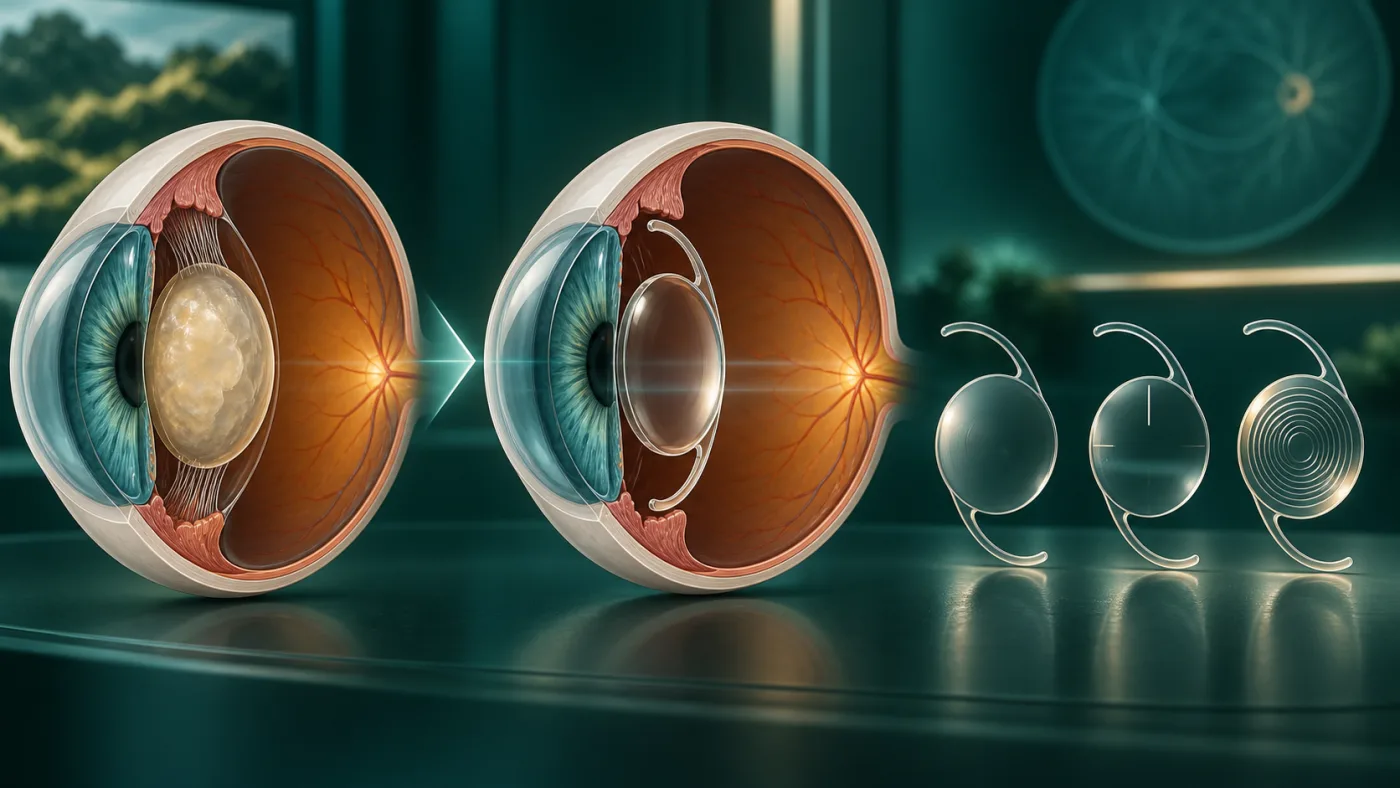
المياه البيضاء هي عتامة في عدسة العين الطبيعية، وغالبًا تتطور تدريجيًا. المريض قد يلاحظ زغللة، بهتان ألوان، وهج مع الإضاءة، صعوبة في القيادة ليلًا أو تغيرًا متكررًا في مقاس النظارة. حسب National Eye Institute، الجراحة تُناقش عادة عندما تبدأ العتامة في تعطيل أنشطة الحياة اليومية مثل القراءة أو القيادة أو العمل.
الفكرة المهمة: مش لازم نستنى لحد ما "المياه تستوي". في المقابل، وجود مياه بيضاء لا يعني أن الجراحة لازم تتم فورًا. القرار يرتبط بتأثيرها على الحياة، وصحة العين، واحتياجات المريض.
ماذا يحدث في العملية؟
في جراحة المياه البيضاء تتم إزالة العدسة المعتمة من داخل العين وزراعة عدسة صناعية دائمة تسمى intraocular lens أو IOL. الطريقة التقليدية الحديثة تعتمد غالبًا على phacoemulsification، حيث تُفتت العدسة باستخدام طاقة الموجات فوق الصوتية ثم تُزال من خلال فتحة صغيرة.
في بعض المراكز يُستخدم femtosecond laser للمساعدة في بعض خطوات الجراحة. الدراسات الحديثة توضح أن الجراحة بمساعدة الفيمتو والجراحة التقليدية الحديثة كلتاهما فعالتان وآمنتان، مع فروق تقنية في دقة بعض الخطوات واستخدام الطاقة، لكن الفروق طويلة المدى في حدة الإبصار قد تكون محدودة في كثير من المرضى. لذلك اختيار التقنية لا يُفصل عن خبرة الجراح وخصائص الحالة.
اختيار العدسة المزروعة أهم من مجرد اسم العدسة
العدسة الأحادية البؤرة monofocal تركز عادة على مسافة واحدة - غالبًا البعيد - وقد يحتاج المريض لنظارة للقريب. لو عند المريض استجماتيزم قرني منتظم، قد تكون العدسة الـtoric خيارًا لتقليل الاستجماتيزم بعد الجراحة.
هناك أيضًا عدسات تهدف لتوسيع مدى الرؤية أو تقليل الاعتماد على النظارة للقريب والمتوسط. لكن زيادة مدى الرؤية قد تأتي أحيانًا على حساب بعض الظواهر البصرية مثل الهالات أو الوهج أو انخفاض الـcontrast في ظروف معينة. عشان كده اختيار العدسة لازم يتم بناءً على نمط حياة المريض، قياسات القرنية، حالة الشبكية والعصب، توقعاته، ومدى تقبله لاحتمال استخدام نظارة في بعض المواقف.
القياسات قبل العملية ليست إجراء روتينيًا بسيطًا
قياس طول العين، تحدب القرنية، الاستجماتيزم، وفحص سطح العين كلها عناصر تدخل في حساب قوة العدسة. وجود جفاف عين أو عدم انتظام بالقرنية قد يؤثر على دقة القياسات، ولذلك قد يحتاج الطبيب لعلاج سطح العين وإعادة القياس قبل الجراحة.
كمان لازم يتفحص قاع العين والعصب البصري. لو فيه اعتلال شبكي سكري، ضمور بقعي، جلوكوما متقدمة أو مشكلة بالعصب البصري، الجراحة قد تزيل العتامة لكن جودة الرؤية النهائية ستظل مرتبطة بالجزء الخلفي من العين.
ما الذي نتوقعه بعد الجراحة؟
معظم المرضى يتحسنون بشكل واضح بعد جراحة المياه البيضاء، والـNEI يذكر أن نحو 9 من كل 10 أشخاص يرون بشكل أفضل بعدها. لكن التحسن النهائي يختلف حسب صحة العين والهدف الانكساري واختيار العدسة.
من الطبيعي وجود بعض الزغللة أو الإحساس البسيط بعد الجراحة في البداية. المتابعة مهمة لاكتشاف ارتفاع ضغط العين، الالتهاب أو أي مشكلة بالشبكية. وبعد شهور أو سنوات قد يحدث عتامة في الكبسولة الخلفية خلف العدسة المزروعة، وهي ليست عودة للمياه البيضاء، وغالبًا تعالج بإجراء YAG laser بسيط عندما تكون مؤثرة على الرؤية.
الخلاصة
جراحة المياه البيضاء اليوم ليست فقط "إزالة عتامة"، لكنها تخطيط بصري متكامل. نجاحها يبدأ قبل غرفة العمليات: تشخيص سبب ضعف النظر، قياسات دقيقة، اختيار عدسة يناسب عين المريض وحياته، ثم متابعة جيدة. السؤال الصحيح ليس "أغلى عدسة إيه؟" بل "أي عدسة ستعطي أفضل توازن بين جودة الرؤية واحتياجاتي ومخاطر عيني؟".
أسئلة شائعة
هل المياه البيضاء تُعالج بالقطرات؟
لا توجد قطرة مثبتة تزيل المياه البيضاء المتقدمة. الجراحة هي العلاج النهائي للعدسة المعتمة عندما تصبح مؤثرة على الرؤية.
هل الفيمتو أفضل من الفاكو العادي؟
كلاهما فعال وآمن في الأيدي المناسبة. الفيمتو قد يحسن دقة بعض الخطوات، لكن النتائج طويلة المدى قد تكون متقاربة في كثير من المرضى.
ما أفضل عدسة بعد المياه البيضاء؟
لا توجد عدسة أفضل للجميع. الاختيار يعتمد على الاستجماتيزم، القرنية، الشبكية والعصب، نمط الحياة، واحتياج المريض للقريب والبعيد.
هل يمكن أن تعود المياه البيضاء؟
العدسة الطبيعية التي أزيلت لا تعود، لكن قد يحدث عتامة بالكبسولة الخلفية وتُعالج غالبًا بالـYAG laser.
ملاحظة طبية: هذا المحتوى للتثقيف ولا يُغني عن فحص طبيب العيون، خصوصًا عند وجود فقدان مفاجئ للرؤية أو ألم شديد أو أعراض طارئة.
English version
Cataract Surgery and IOL Choice: What Determines Vision After Surgery?
When is cataract surgery the right decision?
A cataract is clouding of the eye's natural lens. Symptoms can include blurred vision, faded colors, glare, difficulty driving at night and frequent changes in glasses. The National Eye Institute advises that surgery is commonly considered when cataract-related vision loss interferes with everyday activities such as reading, driving or watching television.
Patients do not need to wait for a cataract to become "ripe." At the same time, simply having a cataract does not automatically mean surgery is urgent. The decision should reflect functional impact, ocular health and the patient's goals.
What happens during cataract surgery?
The cloudy natural lens is removed and replaced with a permanent artificial intraocular lens, or IOL. Modern cataract surgery usually uses phacoemulsification, which breaks the lens into small pieces and removes them through a small incision.
Some centers use femtosecond laser assistance for selected surgical steps. Recent meta-analyses show that both femtosecond-assisted and conventional modern phacoemulsification are effective and safe. The laser may improve precision in selected technical parameters, but long-term patient-centered visual outcomes are often similar. Surgical planning and surgeon experience remain central.
IOL selection matters as much as the operation itself
A monofocal IOL typically targets one main focal distance, commonly distance vision, and reading glasses may still be needed. If the patient has regular corneal astigmatism, a toric IOL may reduce residual astigmatism after surgery.
Presbyopia-correcting and extended-range IOL designs aim to reduce dependence on glasses at additional distances. However, expanding the range of focus can be associated with trade-offs such as glare, halos or reduced contrast in some patients. The best lens therefore depends on lifestyle, corneal measurements, retinal and optic-nerve health, visual priorities and tolerance for optical side effects.
Preoperative measurements are not "just routine"
Axial length, corneal curvature, astigmatism and ocular-surface quality directly affect IOL power calculations. Dry eye or an irregular corneal surface can reduce measurement repeatability, which is why ocular-surface treatment and repeat measurements may be needed before surgery.
The retina and optic nerve should also be assessed. Cataract surgery can remove a cloudy lens, but it cannot reverse vision loss from advanced glaucoma, diabetic retinal disease, macular degeneration or optic neuropathy.
What should patients expect afterward?
Most people experience meaningful visual improvement after cataract surgery; the National Eye Institute notes that about 9 in 10 people see better afterward. Final vision still depends on the health of the whole eye and the refractive target.
Temporary blur and mild irritation can occur during early healing. Follow-up is important to detect pressure spikes, inflammation or retinal complications. Months or years later, some patients develop posterior capsule opacification behind the IOL. This is not a new cataract and can often be treated with a brief YAG laser procedure when visually significant.
Bottom line
Modern cataract surgery is both a disease-removing and refractive-planning procedure. The strongest results come from accurate diagnosis, reliable measurements, a lens strategy tailored to the patient and careful follow-up. The most expensive lens is not automatically the best lens; the best choice is the one that matches the patient's eye health, daily visual demands and realistic expectations.
Frequently asked questions
Can eye drops remove a cataract?
No approved eye drop reliably removes an established cataract. Surgery is the definitive treatment when cataract significantly affects vision.
Is femtosecond cataract surgery always better than standard phaco?
Both are effective and safe when appropriately performed. Femtosecond assistance can improve precision in selected steps, but long-term visual outcomes are often similar.
What is the best IOL after cataract surgery?
There is no universal best IOL. The choice depends on astigmatism, corneal quality, retinal and optic-nerve health, lifestyle and near-versus-distance priorities.
Can cataract come back after surgery?
The removed natural lens does not grow back. Posterior capsule opacification can develop later and is commonly treated with YAG laser when needed.
Medical note: This content is for education and does not replace an examination by an ophthalmologist, particularly for sudden vision loss, severe pain or other urgent symptoms.
المراجع الطبية | Medical references
- National Eye Institute. Cataract Surgery.
- National Eye Institute. Cataracts.
- Femtosecond laser-assisted cataract surgery versus conventional phacoemulsification: meta-analysis of randomized trials. PMID 40731148.
- Song X, et al. Comparing efficacy and safety between femtosecond laser-assisted cataract surgery and conventional phacoemulsification. Can J Ophthalmol. 2025. PMID 39043258.