
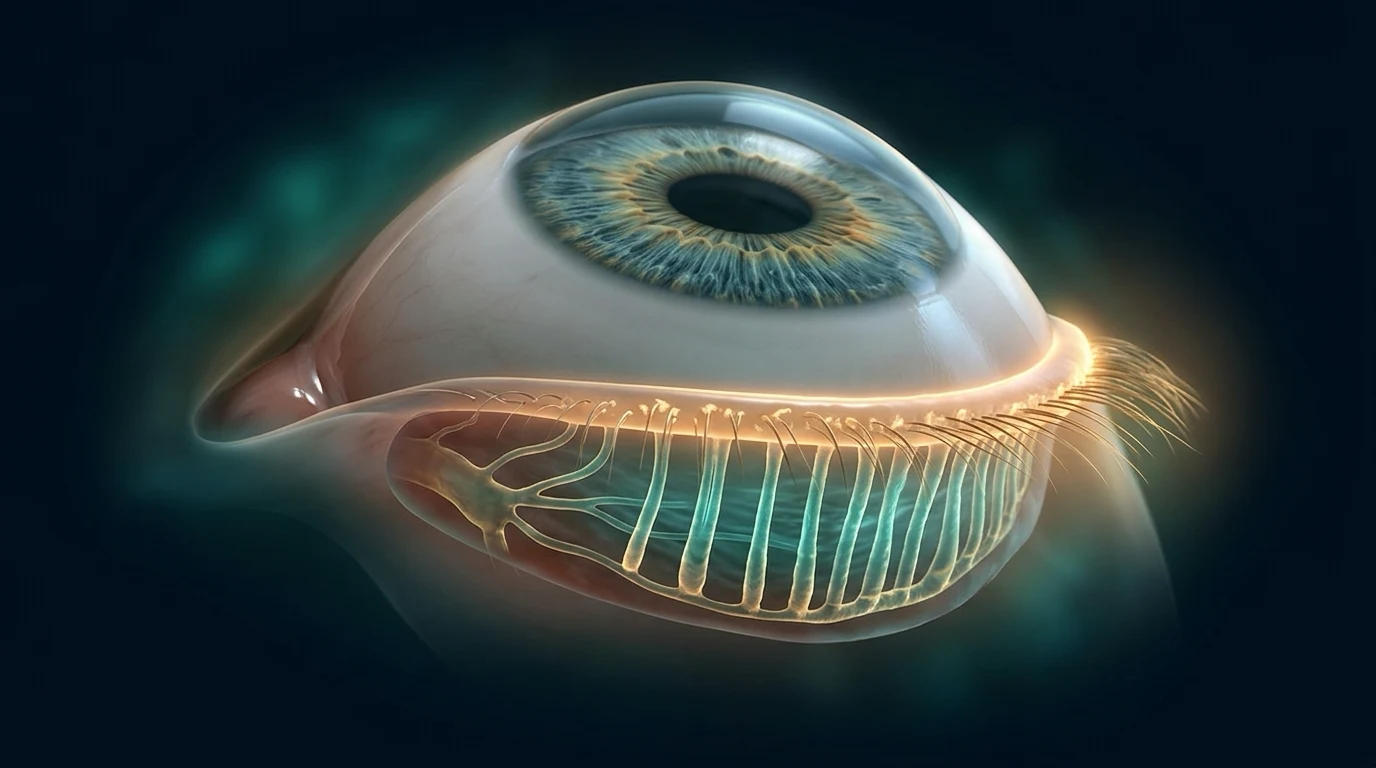
التهاب الجفون قد يظهر كقشور عند الرموش، حرقان، إحساس برمل في العين أو جفون ملتصقة عند الاستيقاظ. هو شائع وغالبًا لا يعدي، لكنه يميل للرجوع لأن حافة الجفن والغدد الدهنية تحتاج روتينًا مستمرًا يناسب السبب. الكمادات الدافئة والتنظيف اللطيف قد يكونان بداية مفيدة، لكن ألم واضح، ضعف في النظر، حساسية قوية للضوء أو تورم مؤلم يحتاج فحصًا بدل الاعتماد على تنظيف المنزل أو قطرات قديمة.
ما هو التهاب الجفون؟
التهاب الجفون هو تهيج أو التهاب عند حافة الجفن، قرب جذور الرموش أو عند فتحات الغدد الدهنية الصغيرة. قد تكون المشكلة في الجزء الخارجي عند الرموش، أو في حافة الجفن الداخلية حيث تخرج الدهون التي تساعد الدموع على البقاء مستقرة. أحيانًا يجتمع النوعان في العين نفسها.
لا يعني ذلك أن الشخص غير مهتم بالنظافة. الجلد الطبيعي فيه بكتيريا ودهون، لكن تراكم القشور أو اضطراب الغدد أو حالات جلدية مثل القشرة أو الوردية قد تجعل الحافة متهيجة. الهدف عادة هو السيطرة على الأعراض وتقليل تكرارها، وليس البحث عن حل سريع ليوم واحد.
ما الأعراض التي قد تلاحظها؟
قد تلاحظ قشور تشبه القشرة حول الرموش، جفونًا حمراء أو منتفخة قليلًا، دموعًا، حكة أو حرقان، وإحساسًا كأن هناك شيئًا داخل العين. قد تكون الرؤية ضبابية لفترة قصيرة ثم تتحسن بعد الرمش، لأن طبقة الدموع قد تتأثر. الأعراض قد تكون أسوأ في الصباح ثم تهدأ وتعود على فترات.
التهاب الجفون قد يرتبط بجفاف العين أو دمل صغير أو حبة دهنية في الجفن، لكنه ليس نفس الشيء دائمًا. لا تحاول فتح أو عصر أي حبة في الجفن، ولا تفترض أن كل قشور على الرموش سببها واحد؛ الفحص يحدد إن كانت هناك غدد مسدودة أو مشكلة جلدية أو سبب آخر يحتاج خطة مختلفة.
كيف يعرف الطبيب السبب؟
يفحص طبيب العيون حافة الجفن والرموش وفتحات الغدد وطبقة الدموع وسطح القرنية بضوء مكبر. وقد يسأل عن القشرة في فروة الرأس، احمرار الوجه، الحساسية، العدسات اللاصقة أو مستحضرات التجميل. هذا مهم لأن علاج القشور عند الرموش يختلف عن علاج مشكلة الغدد الدهنية أو الوردية أو وجود عث الديموديكس.
ليس كل شخص يحتاج تحاليل أو مزرعة. لكن إذا كان الالتهاب متكررًا أو لا يستجيب للروتين البسيط، أو توجد علامات غير معتادة، قد يغير الطبيب الخطة أو يعالج عاملًا مصاحبًا بدل تكرار نفس القطرة كل مرة.
ما الروتين اليومي الآمن؟
اغسل يديك أولًا. يمكن أن تساعد كمادة دافئة وليست ساخنة على الجفون المغلقة لعدة دقائق في تليين القشور وراحة الغدد. بعد ذلك يكون تنظيف حافة الجفن بلطف بمنتج مخصص أو بالطريقة التي يشرحها الطبيب أنسب من الفرك العنيف أو إدخال أي صابون إلى العين نفسها.
الاستمرارية أهم من القوة. لا تضغط بقوة على الجفن، ولا تستخدم أدوات حادة أو مناديل خشنة، ولا تضع زيوتًا أو وصفات منزلية داخل العين. إذا سبب المنتج لسعًا مستمرًا أو احمرارًا أكثر، توقف عنه واسأل المختص عن بديل ألطف لسطح العين.
هل أحتاج قطرات أو أدوية؟
بعض الناس يستفيدون من دموع صناعية إذا كان التهاب الجفون مصحوبًا بجفاف أو دموع غير مستقرة. وفي حالات مختارة قد يصف الطبيب مرهمًا أو قطرة مضادًا حيويًا، علاجًا للالتهاب، أو دواءً موجهًا لسبب محدد. الاختيار يعتمد على ما يراه في الفحص، وليس على شدة الحرقان وحدها.
لا تبدأ قطرة كورتيزون أو مضادًا حيويًا من نفسك، ولا تستخدم عبوة قديمة أو تخص شخصًا آخر. هذه الأدوية قد تكون مناسبة في حالات معينة، لكنها قد تسبب مشكلة أو تخفي سببًا مختلفًا إذا استعملت من غير تشخيص ومتابعة.
العدسات والمكياج: ماذا أفعل وقت النوبة؟
إذا كانت العين حمراء أو مؤلمة أو الرؤية غير صافية، أوقف العدسات اللاصقة مؤقتًا واستخدم النظارة حتى تتحسن الحالة أو يوجهك الطبيب بغير ذلك. لا تضع قطرة فوق العدسة إلا إذا كانت مخصصة لذلك بوضوح، ولا تلبس العدسات لتغطية الاحمرار.
قلل مكياج العين أثناء التهيج، وتخلص من أي مستحضر قديم أو ملوث، ولا تشارك أدوات المكياج. عندما تعود لاستخدامه، أزله برفق قبل النوم ولا تضعه على حافة الجفن الداخلية أو فوق جذور الرموش.
متى أحتاج فحصًا أسرع؟
اطلب تقييمًا سريعًا إذا ظهر ألم متوسط أو شديد، حساسية واضحة للضوء، ضعف مستمر أو مفاجئ في النظر، تورم مؤلم وسريع في الجفن، حرارة أو إحساس عام بالتعب، أو بقعة بيضاء على القرنية. هذه ليست علامات نعتبرها التهاب جفون بسيطًا حتى يثبت العكس.
كذلك احجز فحصًا لو استمرت المشكلة رغم روتين لطيف ومنتظم، أو تتكرر كثيرًا، أو يصاب الطفل بها. الطبيب يستطيع أن يحدد هل نحتاج فقط تعديل العناية اليومية أم فحصًا وعلاجًا أوسع لحافة الجفن وسطح العين.
أسئلة شائعة
هل التهاب الجفون معدٍ؟
غالبًا لا. التهاب الجفون نفسه عادة لا ينتقل بين الأشخاص، لكنه قد يشبه أنواعًا أخرى من احمرار العين، لذلك لا تشارك المناشف أو مستحضرات العين عندما لا يكون السبب واضحًا.
هل يختفي نهائيًا؟
قد يهدأ كثيرًا، لكنه يميل للرجوع عند بعض الناس. روتين لطيف منتظم وعلاج السبب المصاحب عند وجوده يساعدان على السيطرة عليه.
هل أستخدم شامبو الأطفال لتنظيف الجفن؟
الأفضل أن يشرح الطبيب أو الصيدلي منتجًا وطريقة مناسبة لسطح عينك. لا تدخل الصابون إلى العين ولا تفرك حافة الجفن بقوة.
هل الدمل أو الحبة الدهنية سببه التهاب الجفون؟
قد يرتبط انسداد غدد الجفن بالتهاب الجفون عند بعض الناس، لكن ليست كل حبة في الجفن من نفس السبب. لا تعصرها، واطلب فحصًا إذا كانت مؤلمة أو تكبر أو لا تتحسن.
تنبيه مهم: هذا المحتوى للتوعية ولا يغني عن الكشف عند طبيب العيون. إذا حدث فقدان مفاجئ في النظر، أو ألم شديد، أو ومضات جديدة، احجز فحصًا عاجلًا.
English version
Blepharitis and Eyelash Crusting: Why It Returns and How to Control It
What is blepharitis?
Blepharitis is irritation or inflammation along the eyelid edge, near the eyelash roots or the tiny oil-gland openings. It can affect the outer edge where lashes grow, the inner edge where oils that help stabilize tears are released, or both at the same time.
It does not mean that someone has poor hygiene. Normal skin carries bacteria and oils, but crust build-up, disrupted oil glands or skin conditions such as dandruff and rosacea can make the lid edge irritated. The goal is usually to control symptoms and reduce flare-ups, not to find a one-day cure.
What symptoms might you notice?
You may notice dandruff-like flakes around the lashes, mildly red or puffy lids, tearing, itch or burning, and a feeling that something is in the eye. Vision can blur briefly and improve after blinking because the tear film is affected. Symptoms may be worse in the morning, settle, and recur in flares.
Blepharitis can be associated with dry eye, a stye or a painless lid lump, but it is not always the same condition. Do not squeeze or try to pop a lid lump, and do not assume every eyelash crust has one cause. Examination can identify clogged glands, a skin condition or another cause that needs a different plan.
How does an eye specialist identify the cause?
An eye specialist examines the lid edge, lashes, gland openings, tear film and corneal surface with magnified light. They may ask about scalp dandruff, facial redness, allergy, contact lenses or eye makeup. This matters because eyelash crusting, oil-gland dysfunction, rosacea and Demodex-related signs are managed differently.
Not everyone needs laboratory tests or a culture. But if inflammation keeps returning, does not respond to a simple routine or has unusual features, the clinician may change the plan or address an associated condition instead of repeating the same drop each time.
What is a safe daily routine?
Start by washing your hands. A warm—not hot—compress over closed eyelids for several minutes can help soften crusts and support oil-gland comfort. After that, gentle lid-edge cleaning with a purpose-made product or the method demonstrated by your clinician is safer than vigorous rubbing or getting soap into the eye itself.
Consistency matters more than force. Do not press hard on the lids, use sharp tools or rough wipes, or put oils and home mixtures into the eye. If a product causes persistent stinging or worse redness, stop it and ask for a gentler option for the ocular surface.
Will I need drops or medicine?
Some people benefit from artificial tears when blepharitis is accompanied by dry eye or an unstable tear film. In selected cases, the eye specialist may prescribe an antibiotic ointment or drop, anti-inflammatory treatment or therapy aimed at a specific cause. The choice depends on the examination, not on burning severity alone.
Do not start steroid or antibiotic drops on your own, and do not reuse an old bottle or someone else's medicine. These treatments can be appropriate in particular cases, but they can also cause problems or hide a different condition without diagnosis and follow-up.
Contact lenses and makeup: what should you do during a flare?
If the eye is red, painful or vision is not clear, pause contact lenses and use glasses until symptoms improve or the clinician gives different advice. Do not put a drop over a lens unless it is clearly intended for that use, and do not wear lenses to hide redness.
Reduce eye makeup during irritation, discard any old or contaminated product and do not share makeup tools. When you return to makeup, remove it gently before sleep and avoid placing it on the inner lid edge or directly over the lash roots.
When do you need faster assessment?
Seek prompt assessment for moderate or severe pain, marked light sensitivity, sudden or persistent reduced vision, rapidly painful eyelid swelling, fever or feeling unwell, or a white spot on the cornea. These are not signs to assume are simple blepharitis until proven otherwise.
Also arrange an examination if the problem persists despite a gentle, consistent routine, keeps returning or affects a child. The clinician can decide whether everyday care needs adjustment or whether the lid margin and eye surface need broader assessment and treatment.
Frequently asked questions
Is blepharitis contagious?
Usually not. Blepharitis itself does not normally spread between people, but it can resemble other red-eye conditions, so do not share towels or eye products while the cause is unclear.
Does it go away permanently?
It can settle well, but it tends to recur for some people. A gentle regular routine and treatment of an associated cause, when present, help keep it under control.
Should I use baby shampoo to clean my lids?
Ask an eye specialist or pharmacist to suggest a product and technique suitable for your ocular surface. Do not get soap into the eye or scrub the lid edge vigorously.
Are a stye or a painless lid lump caused by blepharitis?
Blocked lid glands can be associated with blepharitis in some people, but not every lid lump has the same cause. Do not squeeze it; arrange assessment if it is painful, enlarging or not improving.
Medical note: This content is for education and does not replace an ophthalmic examination. Sudden vision loss, severe pain or new flashes require urgent assessment.
المراجع الطبية | Medical references
- National Eye Institute. Blepharitis: symptoms, causes, diagnosis and treatment. Updated 2024.
- American Academy of Ophthalmology. Blepharitis Preferred Practice Pattern. Ophthalmology. 2024;131:P50-P86.
- American Academy of Ophthalmology EyeWiki. Blepharitis.
- Rocha KM, et al. Eyelid margin disease (blepharitis and meibomian gland dysfunction): clinical review of evidence-based and emerging treatments. Journal of Cataract and Refractive Surgery. 2024;50:876-882. DOI 10.1097/j.jcrs.0000000000001414. PMID 38350160.
- American Academy of Ophthalmology. What is blepharitis? Patient education resource, 2024.