مرض العين المرتبط بالغدة الدرقية قد يسبب جفافًا أو بروزًا في العين أو تورم الجفون أو ازدواج الرؤية. التدخين يزيد الخطر، والحالة تحتاج تقييمًا مشتركًا بين طبيب العيون وطبيب الغدد. تغيّر النظر أو الألوان أو ألم شديد مع حركة العين يستدعي فحصًا عاجلًا.
يعني إيه مرض العين المرتبط بالغدة؟
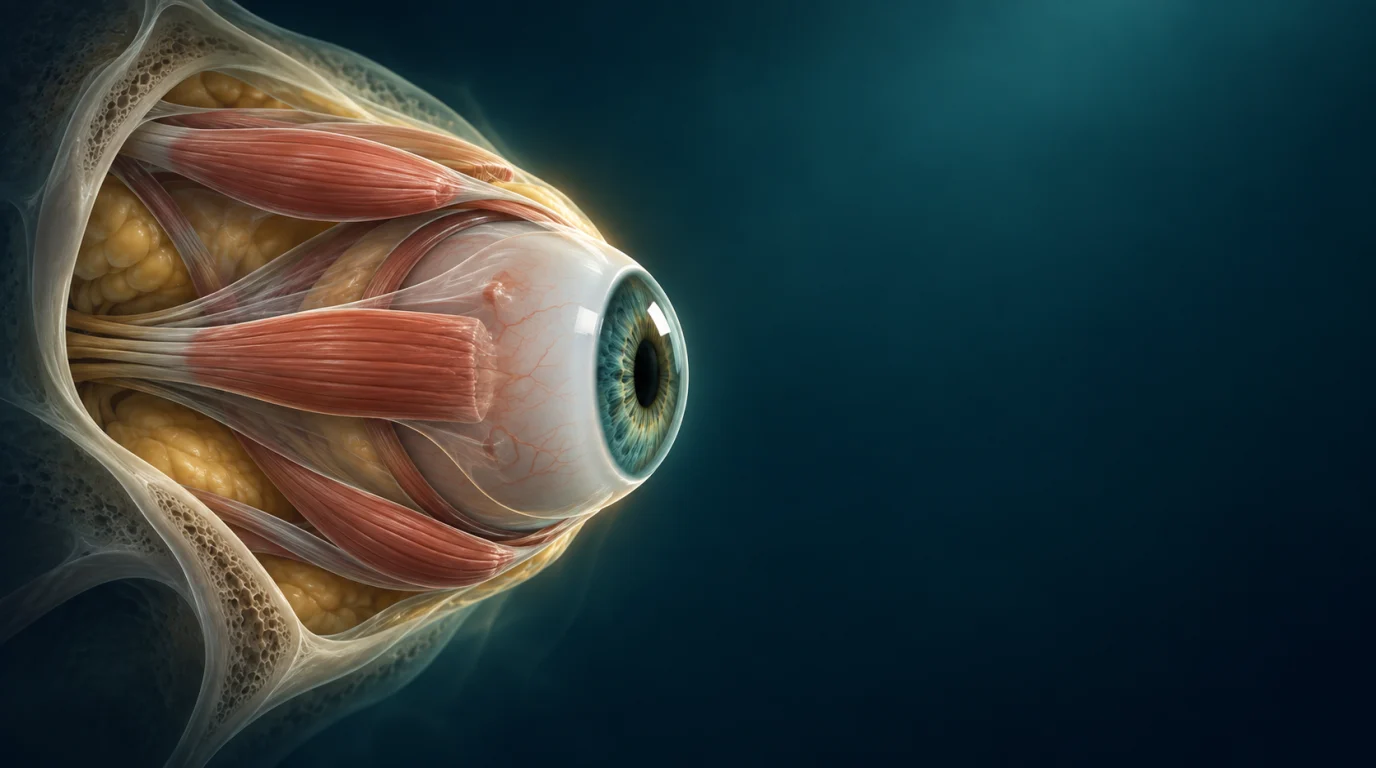
المناعة التي تؤثر في الغدة الدرقية قد تسبب التهابًا وتورمًا في الأنسجة والعضلات حول العين. أحيانًا تسبق علامات العين اكتشاف اضطراب الغدة، وأحيانًا تظهر مع نشاطها أو بعده. لذلك لا يكفي تحليل الغدة وحده لتقييم العين.
الأعراض التي قد تلاحظها
قد تشعر بجفاف أو حرقان ورمل في العين، أو تلاحظ تورم الجفن وبروزه، أو صعوبة في إغلاق العين بالكامل. بعض الناس يرون ازدواجًا أو إحساسًا بالضغط. الأعراض قد تكون في عين أكثر من الأخرى.
كيف يتم التقييم؟
يفحص الطبيب حدة النظر والألوان وحركة العين والجفون وسطح القرنية، وقد يقيس بروز العين. تحاليل الغدة تساعد الفريق المعالج، وقد يطلب الطبيب تصويرًا مقطعيًا أو رنينًا إذا كان شكل الحالة غير معتاد أو احتاج معرفة وضع الأنسجة حول العين.
العلاج حسب النشاط والشدة
الحالات البسيطة قد تستفيد من ترطيب العين وحماية سطحها وضبط الغدة والتوقف عن التدخين. لو كان الالتهاب نشطًا أو مؤثرًا بشدة، يناقش الفريق أدوية متخصصة أو خيارات جراحية حسب الحالة وتوافر العلاج. لا تبدأ الكورتيزون أو أي علاج للمناعة من نفسك.
متى أطلب مساعدة عاجلة؟
اطلب تقييمًا عاجلًا إذا ضعف النظر، أو بهتت الألوان في عين، أو ظهر ازدواج جديد، أو زاد الألم والاحمرار، أو لم تعد قادرًا على إغلاق الجفن. لا تنتظر موعد المتابعة المعتاد عند حدوث تغيّر سريع.
أسئلة شائعة
هل مرض العين مع الغدة يظهر فقط لو التحليل غير طبيعي؟
لا. قد تظهر مشكلة العين قبل تشخيص الغدة أو رغم أن التحليل يبدو مستقرًا، لذلك يلزم فحص العين عند وجود أعراض مناسبة.
هل جفاف العين وبروزها يعنيان بالضرورة مرض الغدة؟
لا، لهما أسباب متعددة. الطبيب يربط الأعراض بفحص العين والتاريخ الصحي وتحاليل الغدة عند الحاجة.
هل التوقف عن التدخين مهم؟
نعم، التدخين عامل يزيد احتمال المرض أو شدته، والتوقف عنه خطوة مهمة ضمن الخطة.
هل كل الحالات تحتاج جراحة؟
لا. كثير من الحالات لا تحتاج جراحة، والقرار يعتمد على شدة الحالة واستقرارها وتأثيرها في النظر والراحة.
تنبيه مهم: المقال للتوعية ولا يغني عن كشف طبيب العيون. فقدان النظر المفاجئ أو الألم الشديد أو إصابة العين يحتاج إلى تقييم عاجل.
English version
Thyroid Eye Disease: Signs, Assessment and When to Seek Urgent Care
What is thyroid eye disease?
The immune process linked to thyroid disease can inflame and enlarge tissues and muscles around the eyes. Eye signs may appear before a thyroid problem is diagnosed, during active thyroid disease or after it settles, so thyroid blood tests alone do not assess the eyes.
Symptoms you may notice
Possible symptoms include dryness, burning or a gritty feeling, swollen or prominent-looking eyes, trouble closing the eyelids fully, pressure, or double vision. One eye may be more affected than the other.
How is it assessed?
The eye examination may check vision, color perception, eye movements, eyelids, the corneal surface and eye prominence. Thyroid tests help the care team. CT or MRI may be requested when the presentation is unusual or more detail about the tissues around the eye is needed.
Treatment depends on activity and severity
Mild disease may be managed with lubrication and surface protection, good thyroid control and stopping smoking. For active or more severe disease, the specialist team may discuss targeted medicines or surgery based on the findings and local availability. Do not start steroids or immune treatments on your own.
When should I seek urgent help?
Seek urgent assessment for reduced vision, faded color perception in one eye, new double vision, increasing pain and redness, or inability to close the eyelid. Do not wait for a routine visit if symptoms change quickly.
Frequently asked questions
Can thyroid eye disease occur with normal thyroid tests?
Yes. Eye signs can precede a thyroid diagnosis or persist when blood tests appear stable, so symptoms still need an eye examination.
Do dry or prominent eyes always mean thyroid eye disease?
No. They have many possible causes. Diagnosis uses the eye findings, health history and thyroid tests when appropriate.
Does stopping smoking matter?
Yes. Smoking is a risk factor for developing or worsening the disease, so stopping is an important part of care.
Does everyone need surgery?
No. Many people do not need surgery. The decision depends on severity, stability and effects on vision or comfort.
Medical note: This guide is for education and does not replace an eye examination. Sudden vision loss, severe pain or an eye injury needs urgent assessment.
المراجع الطبية | Medical references
- Burch HB, et al. Management of thyroid eye disease: American Thyroid Association and European Thyroid Association consensus statement. European Thyroid Journal. 2022. DOI 10.1530/ETJ-22-0189. PMID 36479875.
- Bartalena L, et al. 2021 European Group on Graves' orbitopathy clinical practice guidelines. European Journal of Endocrinology. DOI 10.1530/EJE-21-0479. PMID 34297684.
- American Thyroid Association. Management of Thyroid Eye Disease: ATA and ETA consensus statement.