
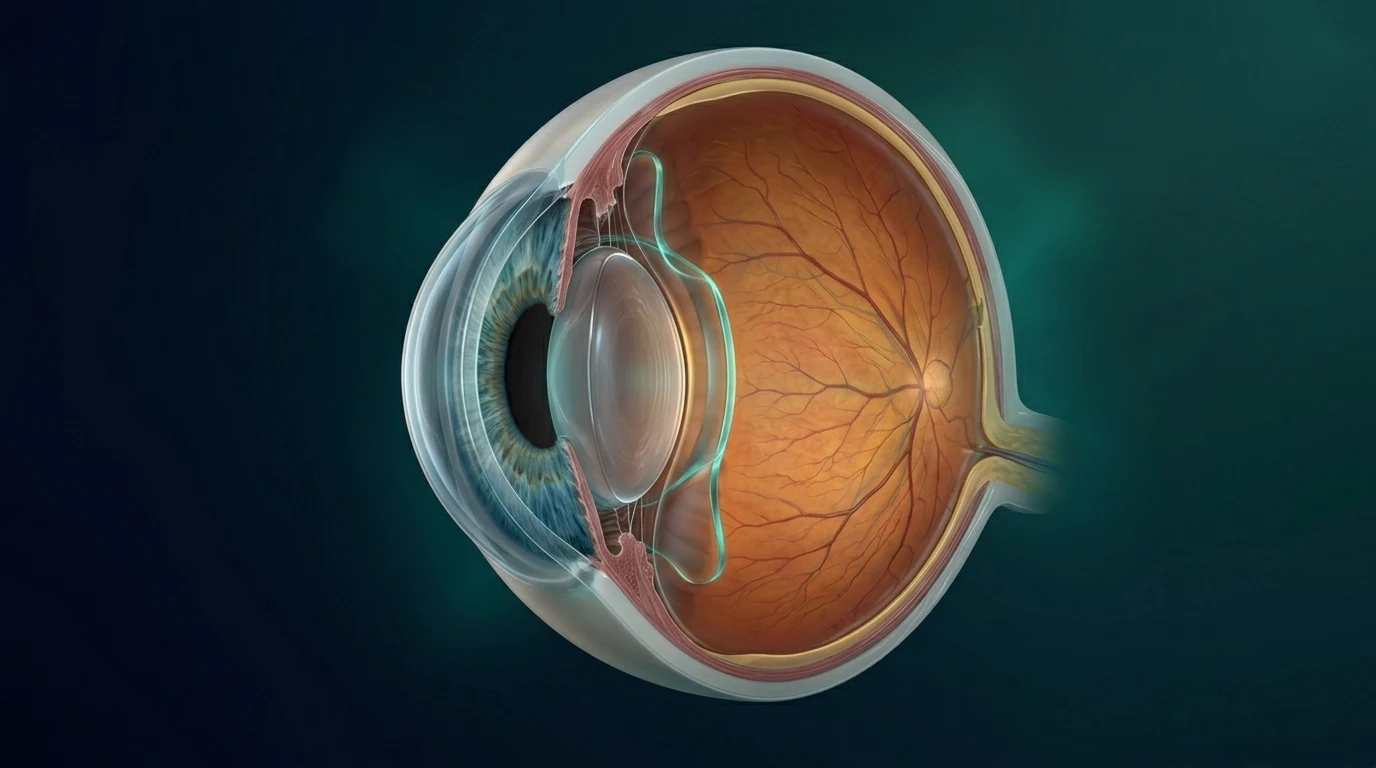
زراعة عدسات ICL هي عملية لتصحيح قصر النظر، وأحيانًا الاستجماتيزم، بزرع عدسة شفافة داخل العين خلف القزحية وأمام العدسة الطبيعية. لا تُزال العدسة الأصلية، لذلك تختلف عن عملية المياه البيضاء وعن الليزك الذي يغيّر شكل القرنية. قد تكون خيارًا مناسبًا لبعض البالغين، خصوصًا مع درجات قصر نظر أعلى أو عندما لا تسمح قياسات القرنية بالليزر، لكن درجة النظارة وحدها لا تكفي لاتخاذ القرار. يلزم فحص دقيق للمساحة داخل العين، وخلايا بطانة القرنية، وضغط العين، والشبكية، وثبات المقاس. يمكن إزالة العدسة أو استبدالها إذا دعت الحاجة، لكنها جراحة داخل العين وليست قرارًا بسيطًا أو خاليًا من المخاطر.
ما هي زراعة عدسات ICL وأين توضع؟
ICL اختصار لعدسة قابلة للزرع داخل العين. توضع العدسة خلف الجزء الملون من العين (القزحية) وأمام العدسة الطبيعية، فتغيّر طريقة وصول الضوء إلى الشبكية لتصحيح درجة النظر. لا يشعر بها المريض ولا تكون ظاهرة من الخارج بعد الالتئام.
هناك عدسات ICL عادية لتصحيح قصر النظر، وأنواع توريك (Toric) تضيف تصحيح الاستجماتيزم. ليست عدسة لاصقة، وليست عدسة المياه البيضاء؛ العدسة الطبيعية تبقى مكانها. كما أنها لا تمنع ضعف النظر القريب الذي يظهر مع العمر، لذلك قد تحتاج إلى نظارة قراءة لاحقًا حتى لو كانت الرؤية البعيدة ممتازة.
هل زراعة ICL أفضل من الليزك؟
لا توجد عملية أفضل لكل الناس. الليزك وSMILE وPRK تعيد تشكيل القرنية، بينما ICL تضيف عدسة داخل العين من دون إزالة نسيج من القرنية. قد تميل الخطة إلى ICL مع قصر نظر مرتفع أو قرنية رفيعة أو قياسات لا تجعل الليزر اختيارًا مريحًا، لكن هذا لا يعني أن كل من لا يريد الليزر مناسب للعدسة.
من مزايا ICL أن العدسة يمكن إزالتها أو استبدالها جراحيًا عند الحاجة. وفي المقابل هي جراحة داخل العين، لذلك يجب موازنة هذه الميزة مع مخاطر الضغط والالتهاب وموضع العدسة واحتمال الاحتياج لإجراء إضافي. القرار الصحيح يعتمد على خريطة القرنية، سطح العين، الشبكية، المقاس، ونمط حياتك، وليس على إعلان أو تجربة شخص آخر.
الفحوص التي تحدد هل العدسة مناسبة لك
قبل القرار، يحتاج طبيب العيون إلى قياس النظر بعد التأكد من ثباته، وفحص القرنية وسطح العين، وقياس المساحة بين القرنية والقزحية وزاوية العين، وعدد خلايا بطانة القرنية، وضغط العين، وحجم الحدقة عند الحاجة. كما يُفحص قاع العين بعد توسيع الحدقة، خصوصًا مع قصر النظر العالي، لأن سلامة الشبكية جزء أساسي من الخطة.
لكل نوع عدسة وتعليماته شروط خاصة للعمر ودرجة النظر والقياسات الداخلية، وقد تختلف من بلد لآخر. لذلك لا يمكن اختيار نوع العدسة من رقم النظارة أو صورة فحص واحدة. إذا وُجد جلوكوما، مياه بيضاء، التهاب نشط، مشكلة في الشبكية أو قياسات غير مناسبة، فقد تتغير الخطة أو لا تكون ICL مناسبة أصلًا.
ماذا يحدث يوم العملية وبعدها؟
تُجرى العملية عبر فتحة صغيرة بعد استخدام قطرات مخدرة وخطة يحددها الجراح لكل عين. توضع العدسة في مكانها خلف القزحية، ثم تُراجع الرؤية وضغط العين وموضع العدسة في المواعيد الأولى. بعض أنواع العدسات الحديثة لها تصميم خاص لتسهيل حركة السائل داخل العين، لكن خطوات العملية قد تختلف حسب النوع والحالة.
قد يحدث غشاوة بسيطة أو حساسية للضوء أو هالات في البداية. استخدم القطرات كما وُصفت، وتجنب فرك العين أو تعريضها لماء غير نظيف أو غبار في فترة الالتئام. لا تقد السيارة ولا تعد للرياضة أو السباحة إلا بعد أن يؤكد الطبيب أن الرؤية والضغط مناسبين.
المخاطر التي يجب أن تكون واضحة قبل القرار
مثل أي جراحة داخل العين، قد تحدث مشكلات مثل ارتفاع ضغط العين، التهاب، وهج أو هالات ليلية، عدوى نادرة لكنها خطيرة، أو تغير في موضع العدسة. في العدسات التوريك قد تحتاج العدسة إلى تعديل إذا دارت عن موضعها. كما يراجع الطبيب المسافة بين العدسة الطبيعية وICL، لأن القياس أو الموضع غير المناسب قد يزيد احتمال مضاعفات أو الحاجة لإعادة ضبط أو إزالة العدسة.
قصر النظر العالي نفسه يرفع احتمال مشكلات في الشبكية على المدى الطويل. ICL تصحح درجة النظر، لكنها لا تلغي خطر تمزق أو انفصال الشبكية أو تغيرات الماكيولا المرتبطة بقصر النظر العالي. لذلك يبقى فحص الشبكية والمتابعة مهمين حتى بعد نجاح العملية.
متى أطلب مساعدة عاجلة بعد العملية؟
ألم شديد أو يزداد، انخفاض مفاجئ في النظر، احمرار متزايد، إفرازات، غثيان أو قيء مع صداع، هالات قوية حول الضوء، أو ومضات وعوامات كثيرة وستارة على النظر: كلها أسباب للتواصل مع طبيب العيون في نفس اليوم. لا تحاول علاجها بقطرات من نفسك ولا تؤجل الفحص.
المتابعة ليست مجرد إجراء روتيني؛ فيها يُقاس الضغط، ويُراجع موضع العدسة، وتُفحص القرنية والشبكية عند الحاجة. أفضل نتيجة تأتي من اختيار دقيق قبل العملية والتزام جيد بالمواعيد بعدها.
أسئلة شائعة
هل عدسة ICL تبقى داخل العين طول العمر؟
هي مصممة لتبقى داخل العين مع المتابعة، لكنها ليست التزامًا لا يمكن تغييره. قد تُزال أو تُستبدل جراحيًا إذا دعت الحاجة، كما تُراجع الخطة إذا ظهرت مياه بيضاء مستقبلًا.
هل ICL تناسب من لديه قرنية رفيعة؟
قد تكون خيارًا لبعض أصحاب القرنية الرفيعة لأن العملية لا تزيل نسيجًا من القرنية، لكن ذلك لا يكفي وحده. يجب أن تكون قياسات المساحة داخل العين وخلايا بطانة القرنية والشبكية مناسبة أيضًا.
هل الهالات الليلية بعد ICL طبيعية؟
قد تظهر هالات أو وهج في البداية، وقد تستمر لدى بعض الناس. حجم الحدقة، نوع العدسة، وخصائص العين تدخل في التوقعات، ولذلك يجب مناقشة القيادة الليلية قبل القرار.
هل سأستغني عن النظارة تمامًا؟
الهدف غالبًا تحسين الرؤية البعيدة من دون نظارة، لكن قد تبقى درجة بسيطة أو تظهر حاجة لنظارة قراءة مع العمر. لا توجد عملية تضمن الاستغناء عن النظارة في كل المسافات وللأبد.
تنبيه مهم: هذا المحتوى للتوعية ولا يغني عن الكشف عند طبيب العيون. إذا حدث فقدان مفاجئ في النظر، أو ألم شديد، أو ومضات جديدة، احجز فحصًا عاجلًا.
English version
ICL Lens Implantation: Candidacy, Benefits, Risks and LASIK Differences
What is ICL implantation and where does the lens sit?
ICL stands for implantable collamer lens. The lens is placed behind the colored part of the eye (the iris) and in front of the natural lens, changing how light focuses on the retina. It is not visible externally and should not be felt after healing.
Standard ICLs correct myopia, while toric designs also address astigmatism. An ICL is neither a contact lens nor a cataract lens: the natural lens stays in place. It also does not prevent age-related near-vision change, so reading glasses may still be needed later even with excellent distance vision.
Is ICL better than LASIK?
No procedure is best for everyone. LASIK, SMILE and PRK reshape the cornea, whereas ICL adds a lens inside the eye without removing corneal tissue. ICL may enter the discussion with higher myopia, a thin cornea or measurements that make laser a less comfortable option, but not wanting laser does not by itself make someone an ICL candidate.
One advantage is that the lens can be surgically removed or exchanged if necessary. On the other hand, it is intraocular surgery, so that advantage must be balanced against pressure, inflammation, lens-position and possible reoperation risks. The best decision comes from corneal mapping, ocular-surface health, retinal assessment, measurements and lifestyle—not advertising or another person's result.
The tests that determine candidacy
Before deciding, the ophthalmologist checks refraction stability, corneal shape and surface health, the space and angle in the front of the eye, corneal endothelial-cell count, pressure and—when relevant—pupil size. A dilated retinal examination is particularly important in higher myopia because retinal health is part of the decision.
Each lens design and its local labeling have specific age, prescription and internal-measurement requirements. A glasses prescription or a single scan cannot select a lens. Glaucoma, cataract, active inflammation, retinal disease or unsuitable measurements can change the plan or rule ICL out altogether.
What happens on surgery day and afterward?
The procedure uses a small incision after numbing drops and a plan tailored to each eye. The lens is positioned behind the iris, and early visits check vision, pressure and lens position. Modern designs vary, including features intended to support fluid flow, so the exact steps differ by lens and patient.
Mild blur, light sensitivity or halos can occur early on. Use drops exactly as prescribed and avoid rubbing the eye, contaminated water and dusty exposure while healing. Do not drive, return to sport or swim until the ophthalmologist confirms that vision and pressure are appropriate.
Risks that should be clear before deciding
As with any surgery inside the eye, possible problems include raised eye pressure, inflammation, night glare or halos, rare but serious infection, and lens-position changes. A toric lens may need adjustment if it rotates. The surgeon also monitors the spacing between the natural lens and ICL because an unsuitable size or position can increase complications or create a need for repositioning or removal.
High myopia itself carries long-term retinal risk. ICL corrects the prescription, but it does not erase the risk of retinal tears, retinal detachment or myopia-related macular changes. Retinal examination and follow-up therefore remain important after a successful procedure.
When is urgent help needed after ICL?
Severe or worsening pain, sudden vision loss, increasing redness, discharge, nausea or vomiting with headache, marked halos around lights, or a sudden shower of flashes, floaters or a curtain in vision all warrant same-day contact with an ophthalmologist. Do not self-treat with random drops or delay assessment.
Follow-up is not a formality: it checks pressure, lens position, cornea and, when needed, the retina. The best outcome depends on careful selection before surgery and reliable visits afterward.
Frequently asked questions
Does an ICL stay in the eye forever?
It is designed to remain in the eye with ongoing follow-up, but it is not an irreversible commitment. It can be surgically removed or exchanged if needed, and the plan is reassessed if cataract develops later.
Can ICL suit a thin cornea?
It may be an option for some people with a thin cornea because it does not remove corneal tissue, but that alone is not enough. Internal-eye measurements, endothelial cells and retinal health must also be suitable.
Are night halos normal after ICL?
Halos or glare can occur early and can persist for some people. Pupil size, lens design and eye characteristics affect the risk, so night driving should be discussed before surgery.
Will I be completely free of glasses?
The usual goal is strong unaided distance vision, but a small residual prescription can remain and reading glasses may become necessary with age. No procedure guarantees freedom from glasses at every distance for life.
Medical note: This content is for education and does not replace an ophthalmic examination. Sudden vision loss, severe pain or new flashes require urgent assessment.
المراجع الطبية | Medical references
- U.S. Food and Drug Administration. EVO/EVO+ VISIAN Implantable Collamer Lens (P030016/S035): approval summary, indications and contraindications.
- U.S. Food and Drug Administration. EVO ICL Patient Information Booklet (P030016/S035).
- Ten-Year Clinical Outcomes of V4c Implantable Collamer Lens Implantation. American Journal of Ophthalmology. 2024. DOI 10.1016/j.ajo.2024.08.007. PMID 39142448.
- Comparison of long-term visual quality after KLEx and implantable collamer lens V4c for high myopia. Journal of Cataract & Refractive Surgery. 2024. DOI 10.1097/j.jcrs.0000000000001523. PMID 39025652.
- American Academy of Ophthalmology EyeWiki. Implantable Collamer Lens.